How to Take Baby Passport Photos Without Tears
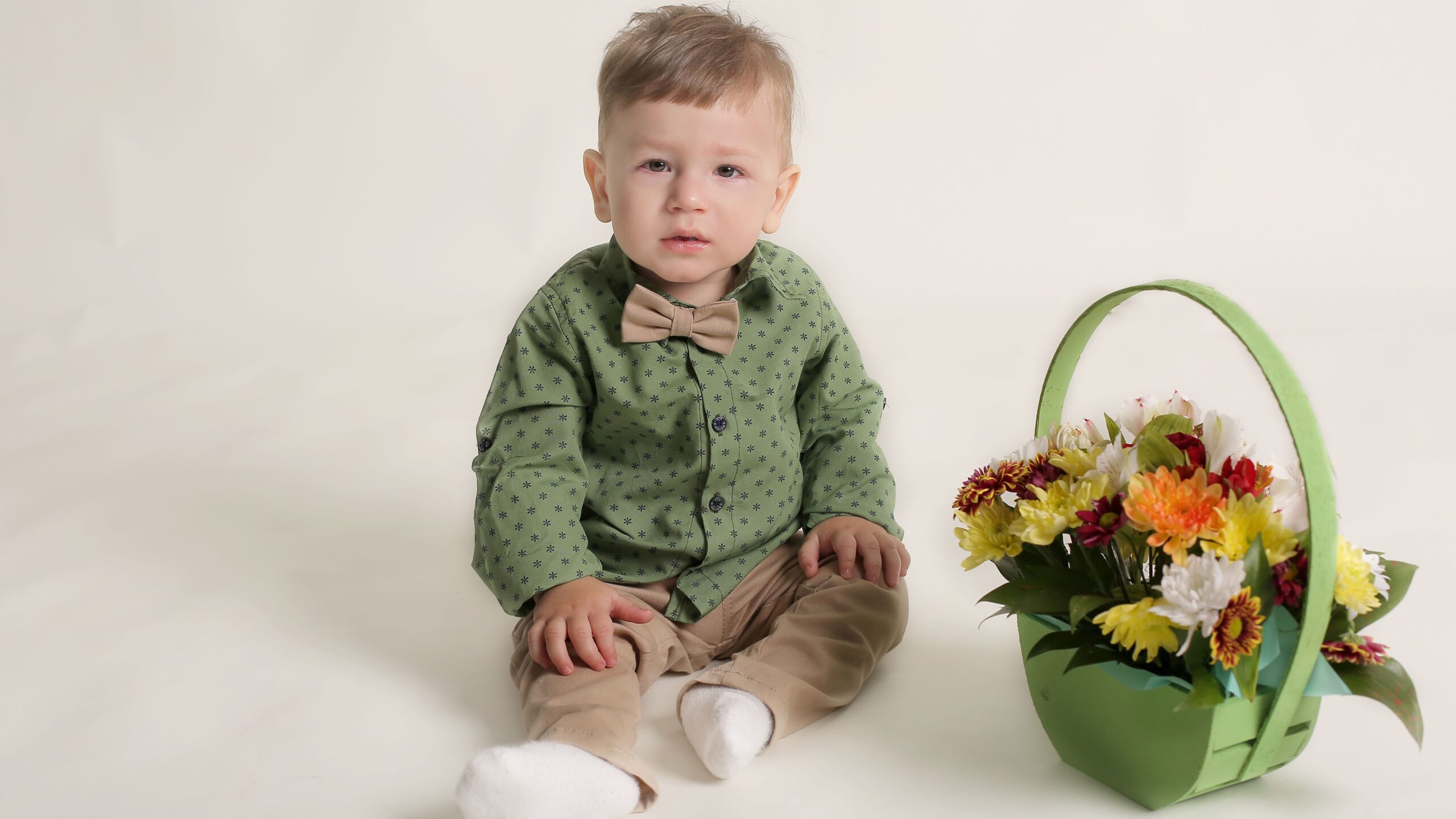
Taking passport photos for babies can feel like trying to catch a lightning bolt — tricky, frustrating, and sometimes tear-inducing for everyone involved. But don’t worry! With a bit of preparation and some insider tips, you can snap that perfect passport photo without turning it into a crying marathon. Let’s dive into how to make this experience smooth, easy, and tear-free for both you and your little one.
Why Are Baby Passport Photos So Challenging?
Getting a clear and compliant passport photo of a baby is far from a simple snapshot you might take on a casual family outing. Babies are naturally unpredictable and can’t understand or follow instructions, which makes posing them for a photo especially difficult. Unlike adults, you can’t ask a baby to hold still or look directly at the camera. Their expressions change in seconds, and they might start crying or fussing as soon as you try to take a picture. This lack of control makes the whole process stressful for parents and frustrating when you need a photo that meets official requirements.
Speaking of requirements, passport photos must follow strict guidelines, and this is another big hurdle. The photo needs to clearly show the baby’s full face with eyes wide open and mouth closed, which can be tricky to capture when your little one wants to squint, yawn, or cry. The background has to be plain and light-colored without any shadows, toys, or distractions. These rules exist for security and identification reasons, but they can feel like a tall order, especially when combined with a baby who doesn’t cooperate.
On top of that, babies move a lot. Their heads might tilt, or their limbs might wave around, making it difficult to get a perfectly centered, sharp photo. Even the tiniest movement can cause blurriness or an off-angle shot, leading to rejection by passport authorities. Parents often feel pressured to get it “just right” in one go, but the reality is that taking baby passport photos often requires patience, multiple attempts, and a calm environment.
All these factors combined make baby passport photos one of the most challenging types of ID photos to capture. The unpredictability of babies, the strict official guidelines, and the technical demands of photography create a perfect storm of difficulty. However, with the right timing, setup, and approach, it is possible to get a photo that ticks all the boxes without turning the experience into a stressful ordeal for everyone involved.
What Does a Baby Passport Photo Need?
| Requirement | Details | Why It’s Important | Common Issues to Avoid | Tips to Achieve It |
| Photo Size | Typically 2×2 inches (51×51 mm) | Ensures photo fits official document standards | Using wrong size leads to rejection | Measure carefully and crop precisely |
| Background | Plain white or light-colored, no shadows | Clear contrast to baby’s face for ID recognition | Patterns, colors, or shadows cause disqualification | Use a smooth white sheet or board |
| Baby’s Expression | Neutral expression, eyes open, mouth closed | Helps verify identity and facial features | Closed eyes, crying, or open mouth | Take photo after nap or feeding when calm |
| Position | Full face visible, head centered | Ensures photo clearly shows baby’s features | Head tilted or turned, off-center | Lay baby flat, support head gently |
| No Toys or Pacifiers | No objects visible in the photo | Objects can obstruct or distort baby’s face | Holding toys or pacifiers in frame | Use toys off-camera to grab attention |
| No Shadows | No shadows on face or background | Shadows interfere with clarity and contrast | Harsh lighting or flash causing shadows | Use natural light or diffused lighting |
Timing Is Everything
Choosing the right moment to take your baby’s passport photo can make all the difference between a smooth session and a frustrating one. Babies have their own rhythms and moods, and working with those natural patterns is key to capturing that perfect shot. Here’s a detailed list of factors to consider when planning your photo session:
- Aim to take the photo right after your baby has had a good nap. When babies are well-rested, they tend to be calmer, less fussy, and more likely to stay still for a few moments. A sleepy or overtired baby will probably resist, cry, or fuss more, making it difficult to get a clear shot.
- Try scheduling the photo session after feeding time. A baby with a full tummy is generally happier and less distracted by hunger. This means fewer chances of crying or fussiness interrupting the photo process, and your baby is more likely to maintain a neutral, calm expression.
- Avoid times when your baby is typically cranky or restless, such as early morning right after waking up or late evening before bedtime. At these times, babies may be more irritable and less cooperative, which can quickly turn a photo session into a challenge.
- Pay attention to your baby’s mood throughout the day. If they seem particularly energetic and playful at certain times, those moments might not be ideal for photos because they’ll want to move around instead of sitting still.
- Consider environmental factors that affect your baby’s comfort, like room temperature or noise levels, and plan the timing when your baby is in the most relaxed setting possible.
- Don’t rush the process. Sometimes it’s better to wait and try another time rather than forcing a photo session when your baby is clearly upset or uncomfortable.
- If possible, have a backup plan or be flexible with timing. Babies are unpredictable, so being patient and ready to adapt will help you capture a better photo without added stress.
Set Up Your Photo Space
Creating the right environment for your baby’s passport photo is crucial for getting a clear and compliant picture. The space should be comfortable and well-lit to help your baby feel at ease and to ensure the photo meets official standards. Lighting plays a major role here — natural light is the best choice whenever possible. Position your baby near a large window where indirect sunlight can softly illuminate their face without creating harsh shadows or bright spots. Direct sunlight can be too intense and may cause unwanted shadows or squinting, so finding a spot with gentle, even light is key.
The background is equally important. A plain, white, or light-colored background is required for passport photos, so it’s best to use a smooth sheet, poster board, or a blank wall that is free of patterns, wrinkles, or textures. Wrinkles or folds can create shadows or distractions that might cause the photo to be rejected. Make sure the background extends beyond the baby’s head and shoulders to fill the frame completely, giving a clean and professional look.
Temperature and overall comfort matter as well. Babies are very sensitive to temperature changes, and being too cold or too warm can quickly make them fussy or uncomfortable. Keep the room at a cozy, comfortable temperature to help your baby relax during the photo session. A calm, content baby is much easier to photograph, so these subtle details can make a big difference in your success.
If you’re shooting indoors, it’s best to avoid using the camera’s flash, as it can startle the baby and cause red-eye or harsh shadows. Instead, rely on natural or soft diffused lighting, like a lamp with a shade or a ring light with a diffuser. This softer lighting helps create an even exposure and prevents shadows on the face or background, ensuring the photo meets the strict passport photo standards.
Positioning Your Baby
| Positioning Tip | Details | Why It Matters | Common Challenges | Helpful Tips |
| Lay Baby on Their Back | Place your baby on a plain white blanket on the floor or a changing table | Keeps baby stable and allows a straight overhead shot | Baby may wiggle or try to roll over | Use a comfortable, familiar blanket; ensure safety |
| Gently Support Baby’s Head | Hold the neck or head gently with one hand to keep it centered and steady | Ensures the head is straight and facing the camera | Baby might resist or move head side to side | Be gentle and soothing; ask someone to help hold |
| Position Camera at Eye Level | Hold camera or phone directly above the baby, pointing straight down | Captures a full-face, straight-on photo without distortion | Angled shots can distort baby’s face or head shape | Use a tripod or steady your hands; take multiple shots |
| Keep Face Fully Visible | Ensure no objects, hands, or shadows cover the face | Needed to clearly see facial features for ID | Hands, toys, or blankets might block the face | Remove distractions and check frame carefully |
| Encourage Eyes Open & Mouth Closed | Try to get baby’s attention using soft noises or toys held near camera | Passport rules require eyes open and neutral expression | Babies often close eyes or open mouth when startled | Use gentle sounds; be patient and ready to shoot fast |
Use Props Wisely (Or Not at All)
When it comes to baby passport photos, using props can be a double-edged sword. On one hand, toys and pacifiers might seem like lifesavers to grab your baby’s attention and keep them calm. On the other hand, the rules for passport photos are very clear about what can and cannot appear in the image. Here’s a detailed list of important considerations to keep in mind when thinking about props for your baby’s photo session:
- Never include toys or pacifiers in the photo itself. Passport photo guidelines strictly prohibit any objects visible in the frame because they can obstruct or distort the baby’s face and features, making the photo invalid.
- Use toys or rattles as attention-getters, but only off-camera. Hold a favorite toy just above or near the camera lens to catch your baby’s eye and encourage them to look straight ahead, but make sure the toy stays out of the shot.
- Avoid using bright or noisy toys during the shoot that might overstimulate or startle your baby, as this could cause fussiness or crying rather than cooperation.
- Dress your baby in solid, soft-colored clothing, ideally white or light shades that contrast gently against the plain background. Avoid patterns, prints, or clothing with distracting logos that might draw attention away from your baby’s face.
- Make sure clothing doesn’t blend too much into the background. For example, if you use a white background, avoid white clothing that might make parts of your baby’s body seem to disappear in the photo.
- Keep accessories to a minimum. Avoid hats, headbands, jewelry, or anything that might cover or shadow your baby’s face.
- If your baby tends to fuss without a pacifier, try soothing them before the shoot and remove the pacifier right before taking the picture to comply with rules.
- Be ready to quickly snap photos when your baby is calm and focused, as prolonged attempts with props can tire them out or cause distraction.
Take Lots of Photos
When it comes to photographing babies for passport photos, patience truly is your best friend. Unlike adults, babies won’t pose on command or hold a perfect expression for long. Their moods and attention spans change in seconds, so it’s important to be prepared to take many shots rather than hoping for the perfect picture in just one or two attempts. The more photos you take, the higher the chance you’ll capture that ideal moment where your baby’s face is centered, eyes open, and mouth closed.
Using your camera or smartphone’s burst mode can be a game-changer in this situation. Burst mode allows you to snap multiple photos in rapid succession with a single press of the shutter button. This means you can capture dozens of images within seconds without fumbling for the button repeatedly. These quick-fire shots increase the likelihood of getting a photo where everything aligns perfectly — the baby’s gaze, expression, and position. It also helps reduce the frustration of missing a good moment because you weren’t fast enough.
Trying different angles during the session can also make a difference. Small shifts in your camera’s position, like moving slightly higher or adjusting how directly the lens points, can affect how the photo turns out. Sometimes a slight tilt or a change in distance can make your baby’s features stand out better and meet passport photo rules more closely. Experimenting with these angles gives you more options to choose from when reviewing the photos later.
Finally, speed is essential because babies lose interest quickly. Prolonged photo sessions can make your little one restless or upset, which leads to fussiness and tears. Work efficiently by preparing your setup in advance, having everything ready, and snapping photos quickly once your baby is positioned and calm. Taking lots of photos rapidly while your baby is engaged will save time and reduce stress for both of you, increasing the odds of a successful, compliant passport photo.